
April 1, 2026

The Data Centre Power Constraint: Why AI Growth Is Now Limited by Grid Capacity

Author

Steven Hull

AI Isn’t Constrained by Compute — It’s Constrained by Power


Across Europe and the US, data centre growth is now dictated by grid access, connection timelines, and power strategy — not demand.


Power is no longer a supporting function. It is the constraint shaping the next phase of infrastructure growth.


"The constraint isn’t coming. It’s already here"

AI Has Changed the Power Equation

AI workloads have fundamentally altered infrastructure requirements.


  • Higher rack densities
  • Continuous, non-variable load profiles
  • Rapid deployment cycles


What used to be incremental growth is now step-change demand at scale.


Power is no longer a utility input.


It’s a strategic constraint on growth.


This is no longer a capacity challenge. It’s an infrastructure constraint.

"Power is now the gating factor for scale."

Grid Infrastructure Cant Keep Up.

The issue isn’t demand — it’s delivery.

Across key markets, grid infrastructure is already under pressure:


  • Connection timelines extending beyond 5–10 years
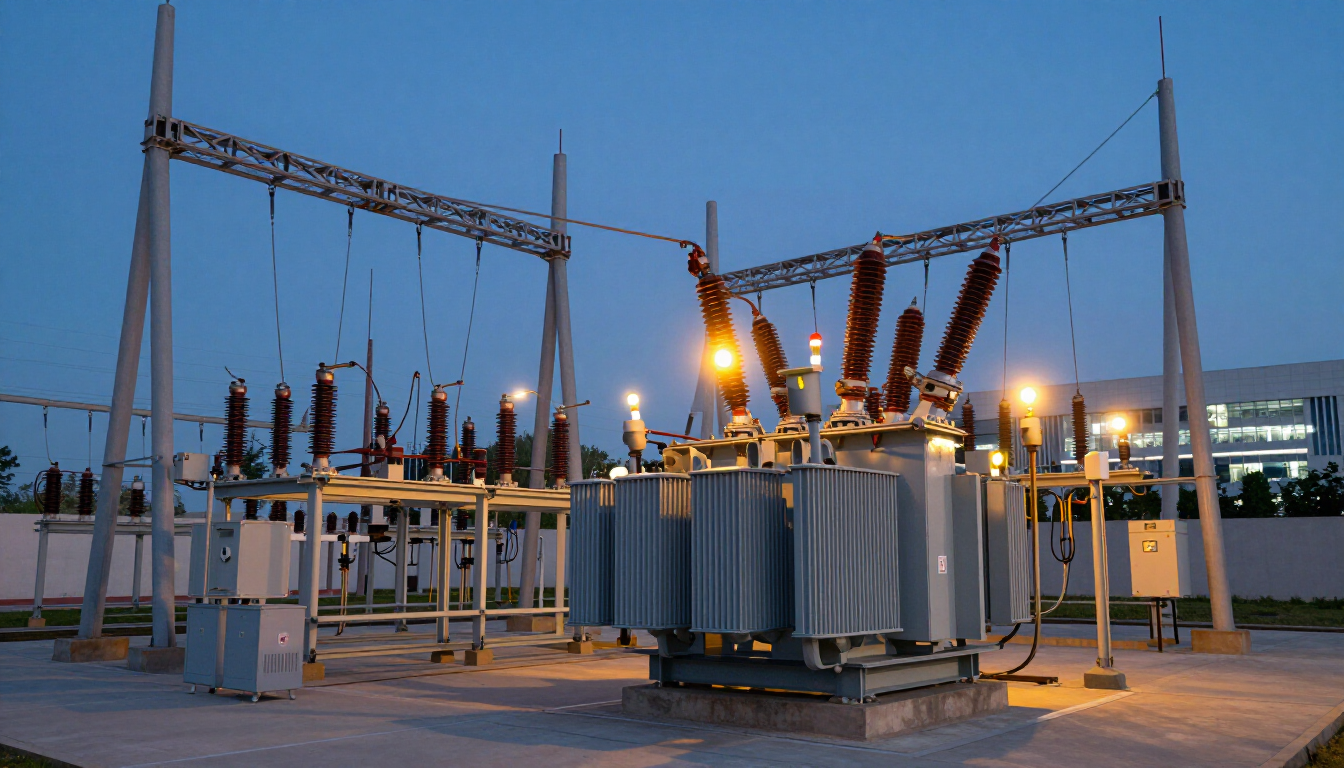
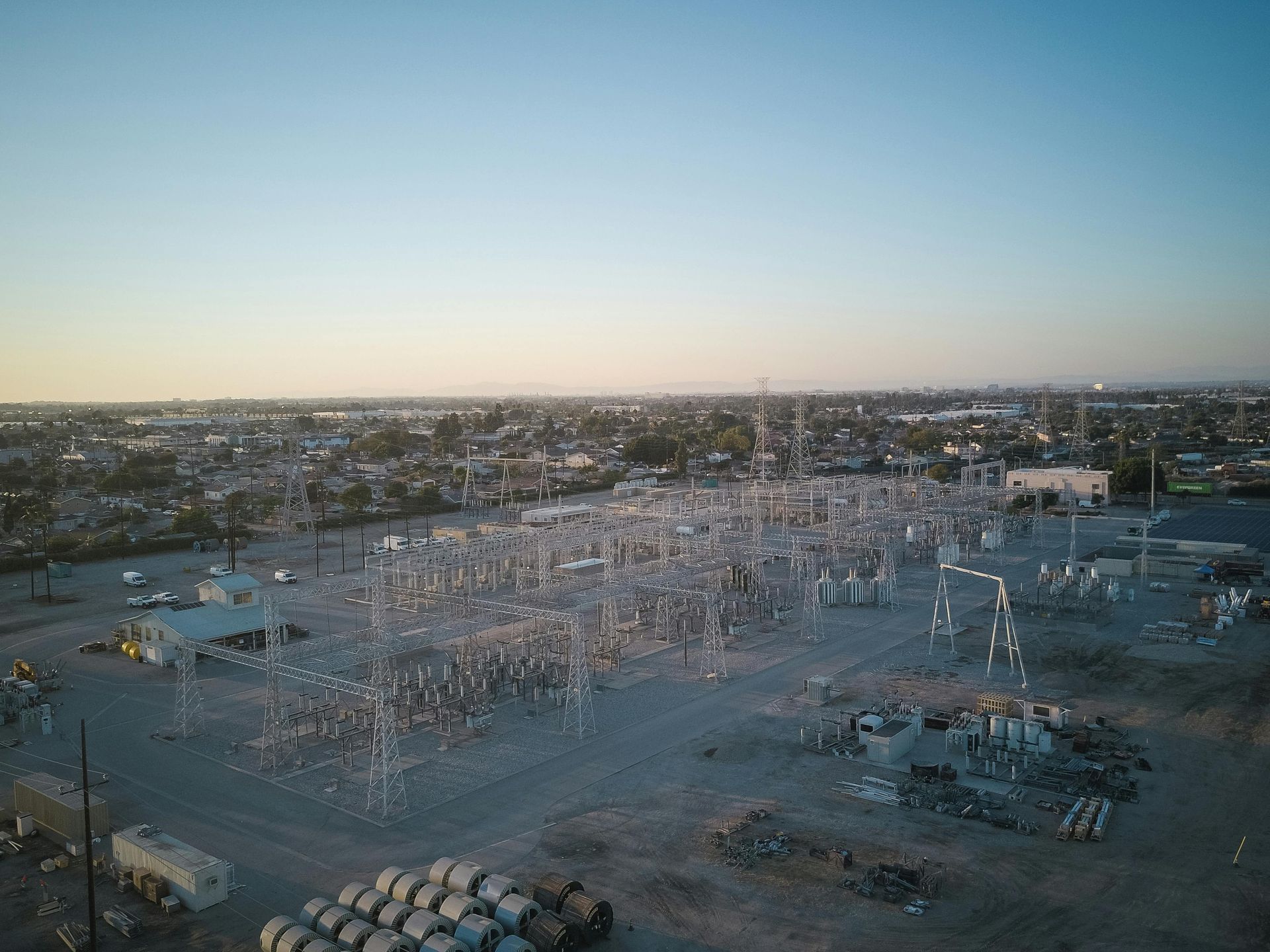
  • Limited available substation capacity
  • Increasing regulatory and planning constraints


Demand for compute is accelerating faster than power infrastructure can be delivered.


This gap is now shaping where — and whether — projects move forward.

Site Selection Is Now Power-Led.

Historically, data centre development was driven by:

  • Land availability
  • Connectivity
  • Latency


That model has shifted.


Operators are now prioritising:

  • Access to available grid capacity
  • Proximity to substations and transmission infrastructure
  • Regions with faster connection timelines


Power is no longer part of the decision.


It is the decision.

"Infrastructure scale is now determined by access to energy."

The Real Bottleneck Capability

While grid constraints are real, the bigger issue for most organisations is internal capability.


Many teams lack:

  • Power and energy strategy expertise
  • Experience navigating utility and grid relationships
  • Integrated thinking across power, cooling, and development


Projects don’t just stall because of infrastructure.


They stall because organisations aren’t set up to solve for it.

What Leading Operators Are Doing Differently

The organisations moving fastest are not waiting for the market to adjust.


They are:

  • Building in-house power and energy capability
  • Hiring from utilities, IPPs, and infrastructure developers
  • Securing land and power in parallel
  • Investing ahead of demand rather than reacting to it


They understand that power is no longer a procurement exercise.


It is a core capability.

Over the next 3–5 years, the gap between operators who can secure power and those who cannot will widen.


That gap will define who scales — and who doesn’t.

Share


By Steven Hull April 3, 2026
Supporting a UK HVAC manufacturer to reshape its commercial capability across sales leadership and specification channels — aligned to evolving building and energy demands.
By The Modern Infrastructure Leader April 1, 2026
Explore liquid cooling in data centres, including market trends, talent shortages, and hiring insights shaping high-density infrastructure.